Sasha
Sasha
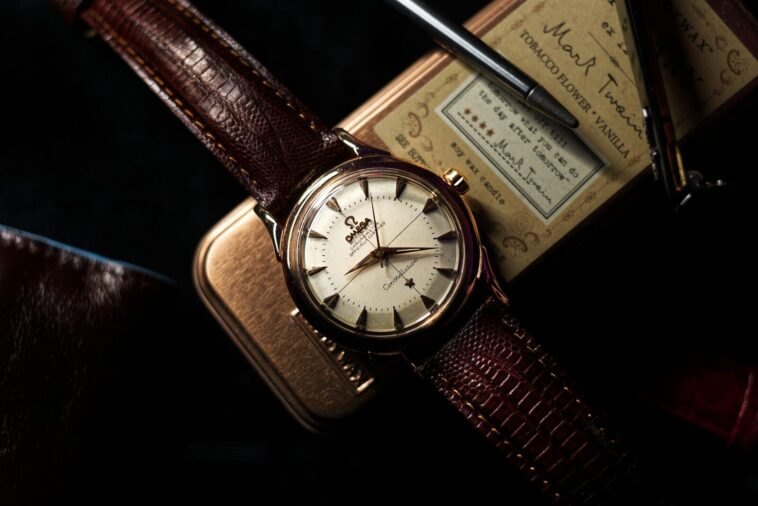
It starts innocently enough. You notice someone’s watch at a dinner
party — nothing flashy, but something about it catches your eye. The
dial is slightly faded in a way that looks intentional but isn’t. The
case has a patina that no new watch could replicate. You ask about it,
and a twenty-minute conversation later you’re writing down names: Seiko
5, Longines Ultra-Chron, Tudor Submariner.
Three months later you have four watches, you’ve spent more time on
Chrono24 than on Netflix, and you understand why people use the word
“lume” without embarrassment.
Welcome to the hobby. Here’s how to navigate the beginning without
making the classic mistakes.
Why Vintage Watches Are
Different
The obvious answer is aesthetics — vintage watches have proportions,
dial designs, and a physical character that most modern watches can’t
replicate without looking like they’re trying too hard. But that’s only
part of it.
What really hooks people is the history. Every vintage watch was worn
somewhere. A 1960s Rolex Explorer was on someone’s wrist every day for
years. A 1970s Seiko automatic might have belonged to a salaryman in
Tokyo or a diver in the Philippines. There’s a weight to that — not
sentimental exactly, but meaningful. You’re not just buying an object;
you’re inheriting its story.
Then there’s the mechanical fascination. Modern watches hide their
movements behind solid casebacks. Many vintage pieces have exhibition
backs, or you’ll find yourself watching YouTube teardowns of movements
that are 60 years old and still running beautifully. The engineering is
gorgeous. The repairability is remarkable. It’s the opposite of our
throw-away world, and that resonates.
Where to Start: The
Three Beginner Paths
Path 1:
Japanese Vintage (Budget-Friendly, Forgiving)
Seiko, Orient, and Citizen produced enormous volumes of quality
mechanical watches from the 1960s through the 1990s. They’re widely
available, relatively affordable (many excellent pieces in the $100–$500
range), and parts are available for most models. If you wind up with a
broken example or make a bad buy, it’s not catastrophic.
Specific models to research: – Seiko 5 (various
references): The introductory classic. Automatic movement,
day-date display, indestructible. Thousands of variants exist; half the
fun is finding one you love. – Seiko 6105 “Captain
Willard”: The dive watch worn by Martin Sheen in Apocalypse
Now. Legitimately iconic, still accessible at $500–$1,500 depending
on condition. – Seiko SKX007: Technically not vintage
yet (produced 1996–2019) but collected as one. A perfect starter diver.
– Orient “Star” automatics: Less collected than Seiko,
which means better value. Beautifully finished movements.
Path 2: Swiss Mid-Market
(The Sweet Spot)
Once you’ve handled a few watches and know what you like, the Swiss
mid-market opens up genuinely compelling options in the $500–$3,000
range.
- Longines: The most underrated Swiss watchmaker for
collectors. Produced exquisite movements from the 1930s through 1970s,
and the brand doesn’t carry the premium of Rolex or Omega. A Longines
Ultra-Chron or Conquest from the 1960s is a phenomenal watch at a
fraction of what comparable Omegas cost. - Tudor: Rolex’s sister brand, long dismissed, now
rightly celebrated. Vintage Tudor Submariners are exceptional pieces
and, while prices have risen, still accessible compared to their Rolex
counterparts. - Universal Genève: Once as prestigious as Rolex and
Patek. Largely forgotten today, which means incredible watches at prices
that seem impossible. The Polerouter and Tri-Compax chronograph are
stunning pieces.
Path
3: Rolex and Omega (If You Have the Budget and Patience)
The household names. Rolex and Omega vintage pieces are legitimate
investment-grade objects at this point, which cuts both ways — they hold
value, but they’ve become expensive and the market for fakes is
well-developed. We’d recommend getting comfortable with one of the other
paths first before spending serious money here. When you’re ready: the
Rolex Explorer, Datejust, and Submariner; the Omega Seamaster 300 and
Constellation are the entry points worth knowing.
The Things That Will Bite
You
Frankenwatches: A “frankenwatch” is a watch
assembled from parts of multiple examples — a dial from one watch, hands
from another, a case from a third. Common and not always disclosed.
Learn to identify original vs. replacement parts for any specific
reference you’re pursuing. Forums and dedicated Facebook groups are
invaluable here.
“Tropical” dials: Dials that have oxidized over time
to a warm brown or caramel color — highly prized by collectors and
extremely frequently faked. Don’t pay a premium for tropical patina
until you really know what you’re looking at.
Service history gaps: A vintage watch that hasn’t
been serviced in decades may run, but the lubricants have dried and the
movement is wearing unevenly. Factor in a $200–$500 service cost when
evaluating price.
Buying for investment: The people who get hurt in
this hobby are the ones who buy for anticipated appreciation. Buy what
you love to wear. The rest takes care of itself.
The Resources That
Will Actually Help You
Chrono24 and eBay completed listings: Your market
research tools. Search completed eBay listings for any reference you’re
considering to see what pieces actually sell for, not just what they’re
listed at.
WatchUSeek forums: Decades of accumulated collector
knowledge. Every brand has a dedicated subforum. Search before you ask,
because your question has almost certainly been answered.
The Horology subreddit (/r/Watches): More accessible
entry point, good community, monthly “What should I buy” threads.
YouTube channels: Teddy Baldassarre, Bark &
Jack, and Theo & Harris are excellent for beginners. Long-form
educational content about movements, brands, and specific
references.
A local watchmaker: Find a good independent
watchmaker in your area before you need one. Building that relationship
early means having someone you trust when something needs attention.
Your First Buy: A Checklist
Before purchasing any vintage watch, especially online:
- Research the specific reference extensively. Know what original
parts look like. - Ask for photos of the caseback, crown, and any areas of wear.
- Check that the seller has transaction history and positive
feedback. - If possible, buy from dealers who offer a return window.
- Budget for a service. Assume any vintage watch you buy needs
one. - Don’t buy the first thing you fall in love with. Let yourself look
for two or three weeks first. The urgency is almost never real.
The Bottom Line
The vintage watch hobby is one of those rare things that rewards the
time you put into learning it. The more you know, the better you see. A
$200 Seiko that you’ve researched and chosen deliberately brings more
satisfaction than a $2,000 piece you grabbed because someone told you it
was good.
Start with Japanese vintage if you want to learn with low stakes.
Move toward Swiss mid-market when you’ve handled enough watches to know
what you actually like on your wrist. Don’t rush. The watches aren’t
going anywhere — they’ve already waited decades.
The best one in your collection will almost certainly be the one you
weren’t expecting to love.