David
David
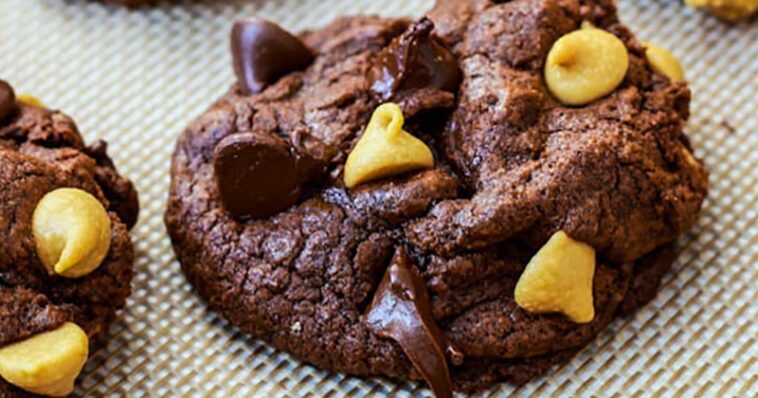
We’ve made a lot of chocolate chip cookies. Flat ones, cakey ones,
ones that spread into puddles and ones that puffed up like biscuits.
Cookies from New York Times recipes that we printed and laminated.
Cookies from the back of the Toll House bag. Cookies from cookbooks by
people with Michelin stars who somehow made the process more complicated
than it needed to be.
After all of that, we’ve settled on a formula. Not a recipe, exactly
— a formula. One you understand well enough to make from memory, adjust
on the fly, and repeat reliably for the rest of your life. Here it
is.
Why Most Chocolate
Chip Cookies Disappoint
Before we get to the recipe, let’s name what usually goes wrong.
Too flat: Usually caused by melted or softened
butter that’s too warm, or by skipping the chill step. The fat spreads
before the structure sets.
Too cakey: Too much flour, too many eggs, too much
baking powder. The cookie rises but loses the chew.
No flavor depth: Sugar-forward but one-dimensional.
The fix is browned butter, a longer bake, and salt. Always more salt
than you think.
Inconsistent size: Cookies scooped without weighing
will bake differently, which means some are done when others aren’t. A
kitchen scale fixes this entirely.
These are all solvable. Here’s how.
The Formula
Yield: About 20 cookies Time: 30
minutes active, 1 hour rest (optional but recommended)
Ingredients
- 225g (2 sticks / 1 cup) unsalted butter
- 200g (1 cup) granulated sugar
- 165g (¾ cup packed) dark brown sugar
- 2 large eggs, room temperature
- 2 tsp pure vanilla extract
- 280g (2¼ cups) all-purpose flour
- 1 tsp baking soda
- 1½ tsp fine sea salt (plus flaky salt for finishing)
- 340g (2 cups / 12 oz) chocolate chips or chopped chocolate
The Method
Step 1: Brown the butter. Melt the butter in a
light-colored saucepan over medium heat, stirring occasionally. It’ll
foam, then the foam will subside, and you’ll start seeing brown flecks
at the bottom and smelling something nutty and remarkable. The moment it
turns amber and smells like hazelnuts, pour it immediately into your
mixing bowl. Don’t walk away — it goes from brown to burnt fast. Let it
cool for 10 minutes.
This single step does more for cookie flavor than any other change
you can make. Browned butter has a complexity — toasty, almost
caramel-like — that regular butter can’t match.
Step 2: Mix the sugars into the warm butter. Whisk
the granulated and brown sugars into the cooled (but still warm) browned
butter. The warmth helps dissolve the sugars and creates a slightly
glossy, thick mixture. Whisk for about a minute.
Step 3: Add eggs and vanilla. Add both eggs and the
vanilla. Whisk vigorously for 60 seconds — this incorporates air and
helps create that slight crinkle on the cookie’s surface.
Step 4: Add the dry ingredients. Add flour, baking
soda, and salt. Switch to a spatula and fold until just combined — a few
streaks of flour remaining is fine. Overmixing develops gluten and makes
cookies tough.
Step 5: Fold in the chocolate. Add your chocolate
and fold it through the dough.
Step 6: Rest the dough (optional but excellent).
Cover the bowl and refrigerate for at least 1 hour, or up to 72 hours.
Resting allows the flour to fully hydrate and develops deeper, more
complex flavor. 24 hours is the sweet spot. You can bake immediately if
you need to, but the cookies will be slightly thinner and less
flavorful.
Step 7: Bake. Preheat your oven to 375°F (190°C).
Line baking sheets with parchment. Scoop dough into balls — about 50g
each (roughly 2 tablespoons). Space them 3 inches apart. Bake for 10–12
minutes, until the edges are set and golden but the centers still look
underdone and slightly glossy. They’ll firm up as they cool.
Step 8: Finish with flaky salt. The moment the
cookies come out of the oven, sprinkle each one with a pinch of flaky
sea salt (Maldon is our favorite). This is not optional.
Let cool on the pan for 5 minutes before transferring.
The Variables You Can
Control
Chocolate: We prefer chopped chocolate from a bar
over chips. Chips are engineered to hold their shape; chopped chocolate
creates irregular shards and molten pools. Guittard and Valrhona are our
go-to choices. 60–72% cacao is the sweet spot.
Texture: Want crispier cookies? Use more white sugar
and bake 2 minutes longer. Want chewier? Increase the brown sugar ratio
and pull them earlier. Brown sugar is hygroscopic — it attracts moisture
and creates chew.
Size: Smaller cookies (30g) bake faster and
crispier. Larger cookies (70g+) stay gooey longer and feel more
indulgent. Neither is wrong.
Altitude: Above 5,000 feet, reduce baking soda to ¾
tsp and increase flour by 2 tablespoons.
The Equipment That Actually
Helps
A kitchen scale is the single biggest upgrade a home
baker can make. Volume measurements for flour are notoriously
inconsistent — a “cup” of flour can range from 120g to 160g depending on
how it’s scooped. Weight measurements are exact every time.
A cookie scoop (we use a #24, which is about 2
tablespoons) makes portioning fast and consistent. Consistent size means
consistent baking.
A good half-sheet pan with parchment makes cleanup
trivial and promotes even browning. Cheap thin pans warp in the oven
heat and cause uneven results.
A light-colored pan (not dark) is important for the
butter browning step — you need to see the color change.
Storage
Baked cookies keep at room temperature in an airtight container for
4–5 days. They actually improve after day one as the flavors meld.
Unbaked cookie dough freezes beautifully. Scoop it into balls, freeze
on a sheet until solid, then transfer to a zip-lock bag. Bake directly
from frozen, adding 2–3 minutes to the bake time. This means you can
have fresh cookies in 15 minutes whenever you want them. We keep a bag
in the freezer at all times.
The Bottom Line
Brown the butter. Rest the dough. Pull them early. Salt them when
they’re hot.
That’s it. Once you’ve made this recipe two or three times, you won’t
need to look at it anymore — and that’s exactly how a great recipe
should work. The best chocolate chip cookie is the one you can make
without thinking about it, whenever someone needs one. Which, in our
experience, is more often than you’d expect.